
Educated (2018) by Tara Westover is the book that influenced me to go to graduate school and the first book that moved me to tears. The second one is Some People Need Killing: A Memoir of Murder in My Country (2023) by acclaimed journalist and Kate Webb Prize For Exceptional Journalism awardee Patricia Evangelista. The book’s description features Westover’s testimonial about Evangelista’s memoir: “Tragic, elegant, vital. Evangelista risked her life to tell this story.” Westover’s story can mirror the tragedy of Evangelista’s accounts of extrajudicial killings in the Philippines, albeit written with finesse and humanity. It is then vital to tell her stories in a post-truth culture where “slaughter dressed up in bureaucratese dulls the senses, and over time can anesthetize an entire population to the horror happening right where they live.”
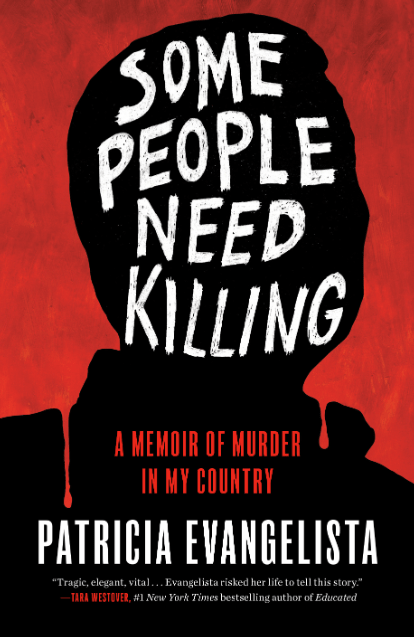
I met Evangelista in college when we interviewed her for a project. She invited us to her condominium unit (I’m not sure if it’s the same place she described in her book), and we casually sat in her unit’s mezzanine like college students about to drink cheap alcohol and find depth about superficial things we encounter while meandering through teenage life. I wouldn’t be surprised if I shared a cigarette or two with her during our conversation. The memories of the past decade did not serve me well, so I can no longer recall what we talked about. However, I remember she was relatable and connected to us like we were her classmates sans the cheap tequila and lime. Her book did the same to the reader: break free from the shock-and-awe of tabloid journalism by pausing, telling the stories of the victims, and reflecting on how one’s life is more than today’s headline, one’s name is more than what is written on a questionable death certificate, and one’s characterization of their family is more than the 10-second interview clip during a funeral.
Our major sources of information are manufactured to complement the modern economy: fast, bite-sized, and often superficial. Many of these sources, through profit-oriented algorithms, cater to our biases, create conflict, and widen our blind side–regardless of whether this information is true or accurate. We turn to our more human competency to mitigate this risk: telling stories. Evangelista used this skill to tell stories about the dead. Policymakers and government leaders will always rely on what’s written on supposedly objective statistical reports, but movers & shakers will always listen and tell stories. Evangelista might be far from creating a fire, but she has lit a cigarette.
 Migo Aguado