
Once taken for granted under the assumption that it’s humanly innate, storytelling has become a critical competency in humanity’s endeavors toward sustainable development: We want to urge people to participate in development initiatives through the stories we tell. Although painted with urgency, sustainability feels like a marathon mission instead of a shock-and-awe sprint. This is challenging for storytellers: stories need to be compelling enough to encourage action, and compelling stories need to feel urgent. How do we tell relatable, action-oriented stories with a long-term deadline with many protagonists? Stories need to have high stakes, highly urgent, and highly challenging, usually with a “hero” protagonist listeners are rooting for [1].
Maria Ressa, in her book How to Stand Up to a Dictator: The Fight for Our Future (2022), illustrates that journalists have the privilege and responsibility to tell these stories. While many sustainability topics revolve around carbon consumption and technological innovation, Ressa argues that journalism is the bedrock of development. Factual stories create integrity in elections. Integrity in elections creates a healthy democracy. A healthy democracy creates inclusive development.
Continue reading How to Stand Up to a Dictator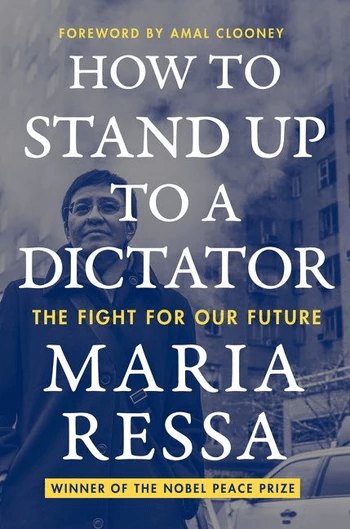



 Migo Aguado