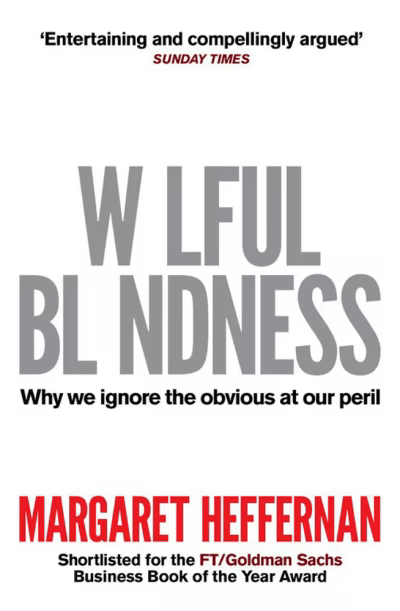
Wilful Blindness

When I knew that a colleague shared the same birthday as mine, I suddenly felt an urge to befriend him even though I had virtually zero knowledge of who he was and what he was like. Familiarity, after all, doesn’t breed contempt–it breeds comfort. The book Willful Blindness (2011) by University professor Margaret Heffernan described more “comforting shortcuts” our brains make: we tend to donate more to victims of typhoons where the typhoon names are similar to ours or choose a profession with starting letters that are the same with ours. Although these phenomena feel like novelty and harmless, Heffernan described serious, deadly, and long-lasting repercussions of our shortcuts and comfort in family, business, and politics.
Continue reading Wilful Blindness

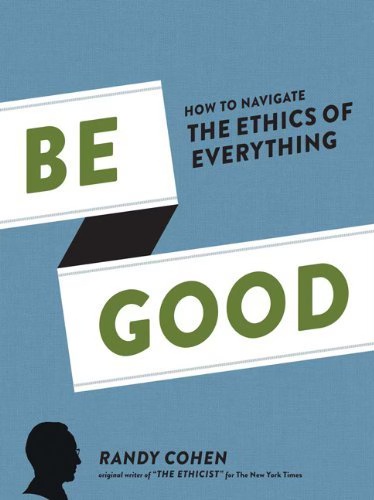
Be Good: How to Navigate the Ethics of Everything

In the Filipino culture, we tend to rationalize an individual’s behavior by saying, “mabait naman siya (s/he’s actually kind).” We start or end with such a statement before or after criticizing someone’s character. This phenomenon could be primarily cultural, as Filipinos are non-confrontational and relationship-based in the culture map. Cognitive dissonance drives this culture to water down criticisms to feel better about oneself or invite mutual understanding. The idea of “good” or “kind” varies in different cultures and schools of thought. We have utilitarianism and hedonism, to name a few. While universal ethics are absent despite significant conformity to a global standard like the Universal Declaration of Human Rights, “what is ethical” is a discourse and not definite.

Continue reading Be Good: How to Navigate the Ethics of Everything

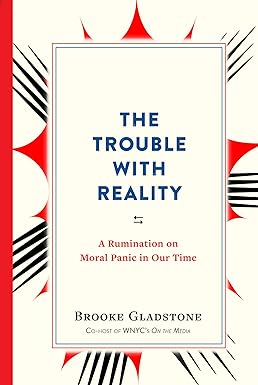
The Trouble with Reality: A Rumination on Moral Panic in Our Time

Nobel Prize Recipient Maria Ressa said, “When you don’t have facts, you can’t have truth. Without truth, you can’t have trust. If you don’t have these three (and so), you can’t have a shared reality. You can’t have democracy. This is what we’re living in today.” [1] American Journalist & Media Analyst Brooke Gladstone illustrated the distinction between facts and reality in her book, The Trouble with Reality: A Rumination on Moral Panic In Our Time (2017)She says, “Reality forms after we filter, arrange, and prioritize those facts and marinate them in our values and traditions. Reality is personal.” Veritas is a shared ambition across different institutions: the academe, scientific community, and even in capital markets. When a supposedly shared ambition suddenly becomes a network of conflicting “facts,” how do social actors work together? They don’t–they kill each other.

Continue reading The Trouble with Reality: A Rumination on Moral Panic in Our Time